

Energy Infrastructure
Design, install and integrate onsite energy systems
For commercial and industrial sites in Manchester and the North West, Hexatra plans solar PV, wind, EV charging, battery storage, hydropower, geothermal and hydrogen around how the site actually runs — individually or as a connected system.

Energy systems
Systems we specify and integrate
Each project uses the technologies that fit the site. Solar PV, storage and EV charging are common. Wind, hydropower, geothermal and hydrogen are included when the plot, load and programme support them.
Onsite solar generation
Roof, canopy and ground-mounted solar PV produces power at the point of use and reduces how much electricity the site draws from the grid when the array is generating.
Wind generation
Wind is considered where exposure, access and planning make a turbine practical, typically as a longer-term renewable input rather than a default on every site.
EV charging infrastructure
Fleet, staff and visitor charging is sized against the existing electrical capacity so chargers sit inside the site system instead of as an isolated add-on.
Battery storage systems
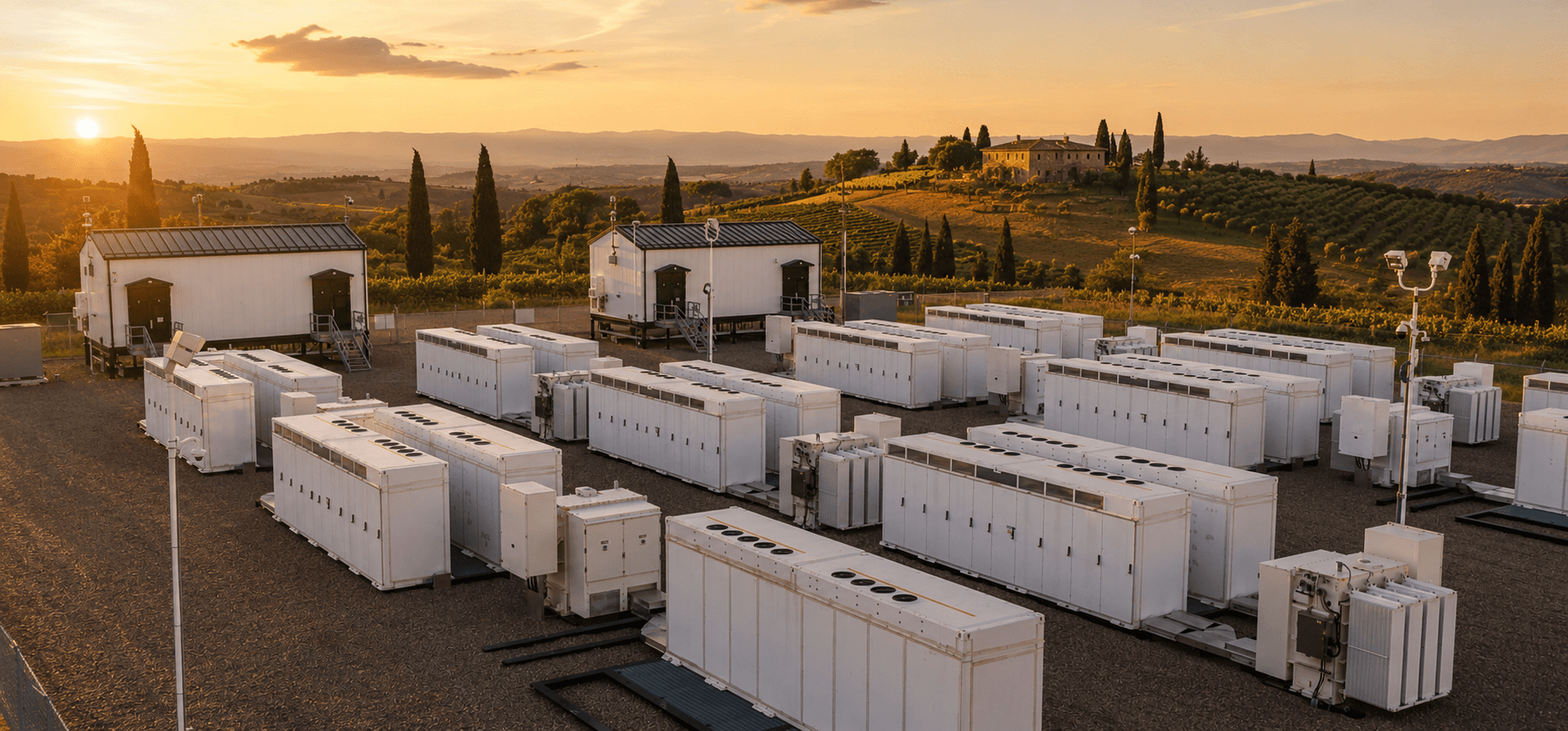
Storage can hold surplus generation, support peak demand, cover selected backup loads and help balance onsite energy through the day.
Hydropower generation
Hydropower is relevant only where a watercourse or existing hydraulic asset makes generation practical. Most urban commercial sites will not use it.
Geothermal systems
Ground-source heating and cooling is assessed where ground conditions, space and building load make a closed- or open-loop system viable.
Hydrogen infrastructure
Hydrogen production, storage or backup is specified where longer-duration resilience or a lower-carbon fuel pathway is part of the site plan — not as a universal layer.
Hexatra platforms
How this relates to the Hub and AEHS
Energy Infrastructure is the onsite delivery work. The Multi-Energy Hub is a modular platform that can coordinate those assets. AEHS is a developing auxiliary input for low-power loads.

Delivery process
From assessment to an operating system
The process is the same whether the first step is a solar array, a charging yard or a wider integrated system. Scope is confirmed before installation starts.
What this is for
Practical outcomes we design around
Lower grid dependence for daytime loads
Onsite solar and other generation can supply a share of demand when those assets are producing, reducing imported electricity during those periods.
Hold energy for when it is useful
Battery storage can shift surplus generation, support peaks and cover selected loads if the grid supply is interrupted.
Charge vehicles as part of the site
EV charging is planned against available capacity, generation and storage rather than treated as a separate electrical job.
Stage the system over time
Many sites start with solar PV or charging, then add storage, hydrogen or a Multi-Energy Hub when the operational case is clearer.
Match technology to the plot
Wind, hydropower and geothermal are used only where the site can support them. The mix is specific, not a standard package.
Connect into Hexatra platforms
Where a managed platform is needed, onsite assets can feed a Multi-Energy Hub. AEHS may be considered for low-power auxiliary loads.
Energy infrastructure enquiry
Discuss onsite systems for your site
Speak with Hexatra about solar PV, battery storage, EV charging, hydrogen or a wider commercial energy plan for Manchester and the North West.