

Atmospheric Energy Harvesting System
Atmospheric Energy (AEHS)
The Hexatra AEHS is a developing technology that explores atmospheric electrical potential as an auxiliary energy source. It is intended for telecoms, remote monitoring, environmental sensing and other low-power field uses — not as a replacement for solar, wind or grid supply.

What AEHS is
An auxiliary pathway, still in development
AEHS combines atmospheric collection, controlled charge management, power conditioning and a storage-ready architecture. Hexatra is developing it for low-power resilience, monitoring and remote support — including as an optional input to a Multi-Energy Hub.
Output depends on atmospheric conditions, collector configuration and the connected load. Current density in development work is up to 1 mA/cm². That figure describes current per unit collector area; it is not a site energy yield.
Collector and site
Hardware beside the sites it is aimed at
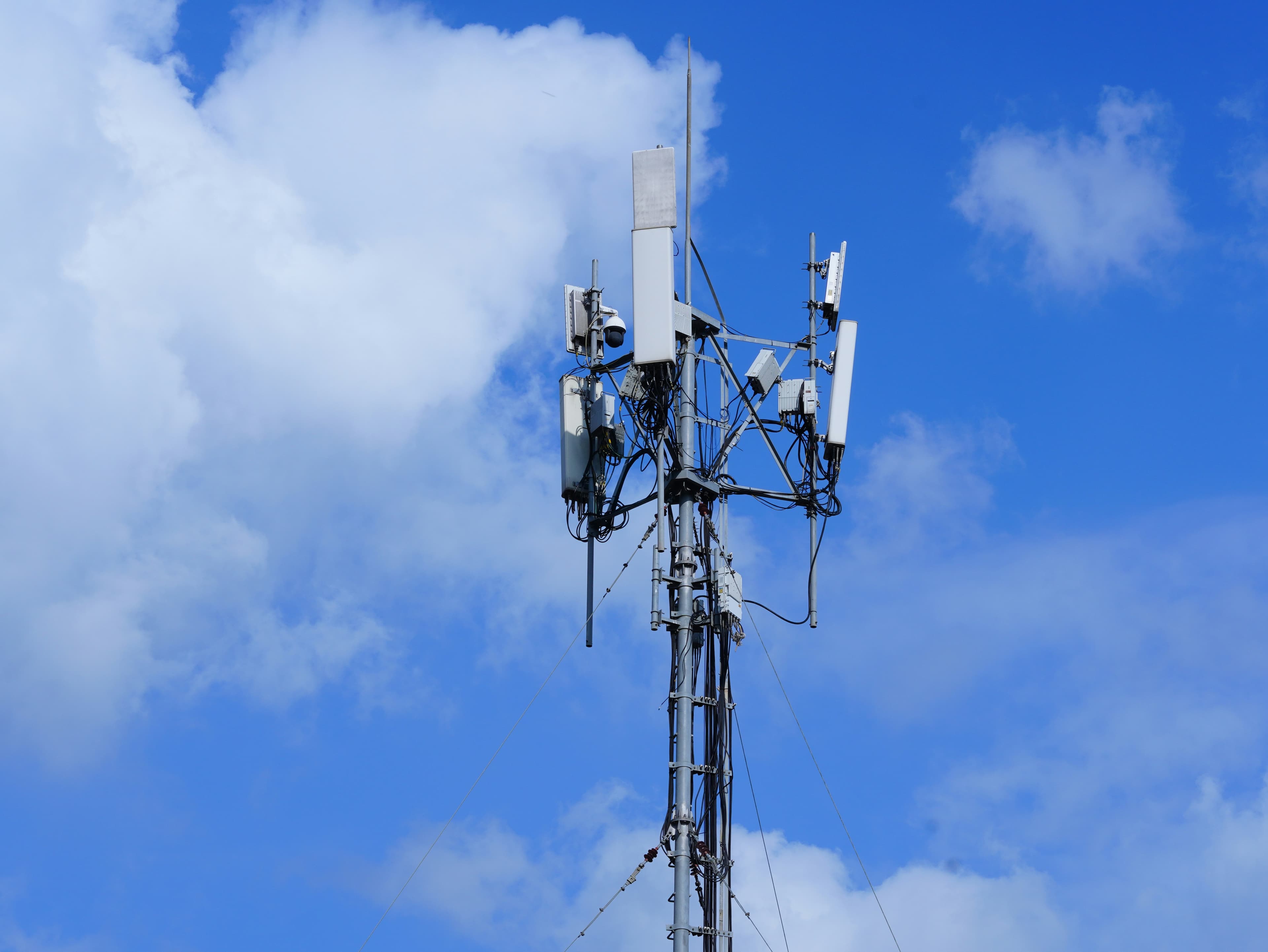
The collector assembly is the developing AEHS hardware. The mast photograph shows the kind of communications site the system is being designed to support as auxiliary power. It is not a photograph of a commissioned Hexatra installation.
System diagram
AEHS system overview
The concept combines atmospheric collection, charge management, power conditioning, storage readiness and monitoring in one controlled architecture.
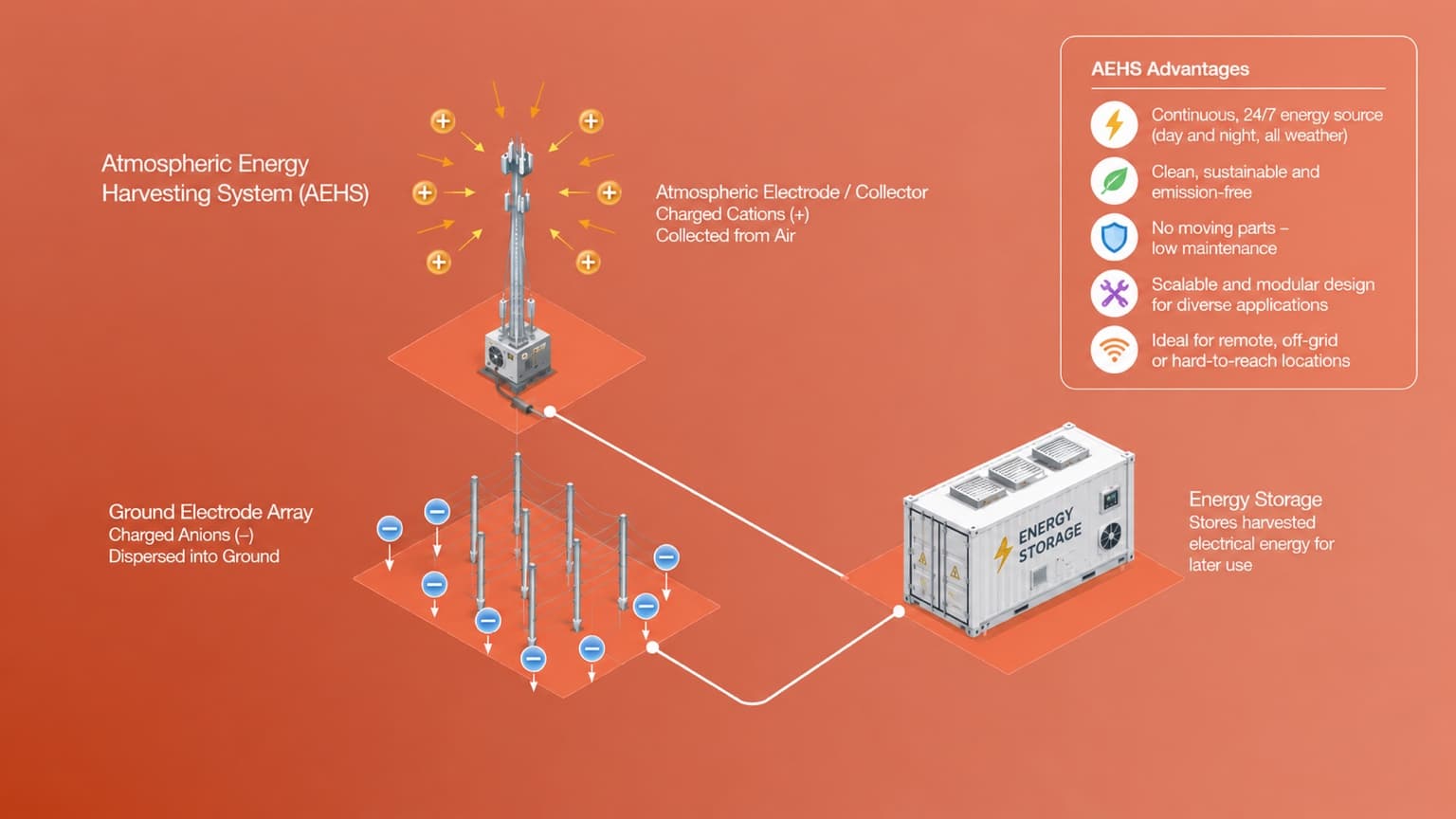
Schematic of collection, control, conditioning and storage readiness. Not a commissioned installation photograph.
How it works
Collection, control, conditioning and protection
Development figures
Figures used in AEHS development
These figures describe the development envelope. They depend on configuration and conditions and should not be read as a guaranteed output for a particular site.
Atmospheric potential difference
100 kV – >300 kV
Subject to atmospheric conditions; not a guaranteed site figure
Current density
Up to 1 mA/cm²
Configuration-dependent development figure
Humidity-related output
μW-scale per cm²
Scale depends on module count and conditions
Operating intent
Auxiliary
Intended as supporting power, not primary generation
Architecture
Single to arrayed
Modular collectors; capacity is specification-dependent
Status
In development
Figures are not a commissioned performance guarantee
Intended uses
Where auxiliary atmospheric energy is being considered
TelecomsTelecoms and communications sites
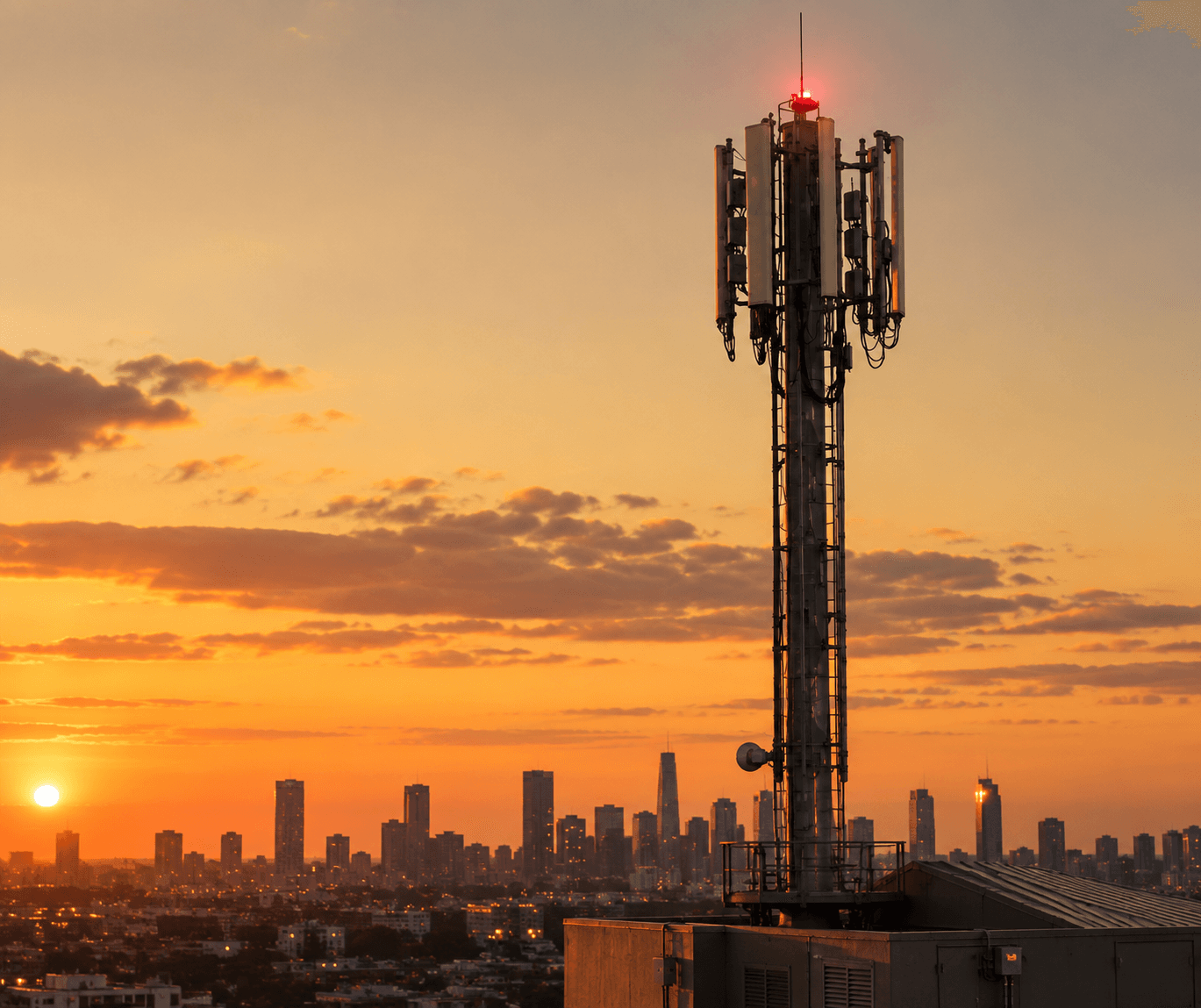
AEHS is being developed with auxiliary power, monitoring and resilience for towers, masts and rooftop communications in mind.
 Monitoring
Remote monitoring
A possible auxiliary supply for sensors and remote equipment where a conventional connection is limited or costly to run.
 Sensing
Environmental sensing
Support for low-power sensing across environmental, atmospheric and infrastructure monitoring, where loads match the available output.
 Smart sites
Agriculture and field sites
Potential auxiliary support for connected field monitoring and remote site systems, subject to validation on the application.
 Resilience
Field resilience
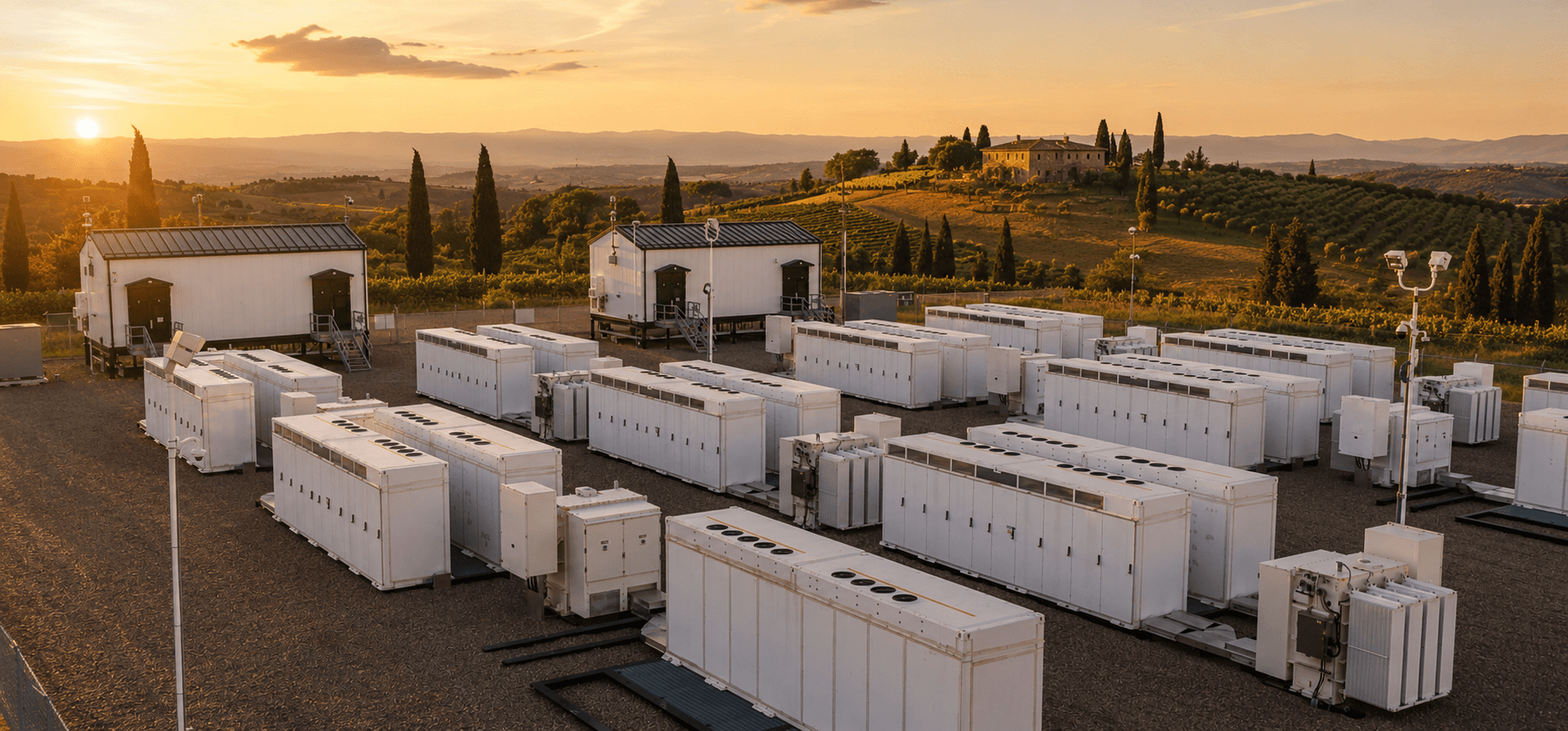
Atmospheric auxiliary power may support field systems, monitoring and communications where other supplies are constrained.
Background
Earlier research, contemporary engineering
Atmospheric electricity has been studied for more than a century, including Nikola Tesla’s work on electrical energy and Hermann Plauson’s atmospheric collection concepts. Hexatra’s AEHS work sits in that research lineage and uses contemporary materials, control systems and power electronics.
Historical experiments demonstrated interest in the idea. They are not evidence of present-day AEHS performance. Current development focuses on controlled collection, monitoring and conditioning.
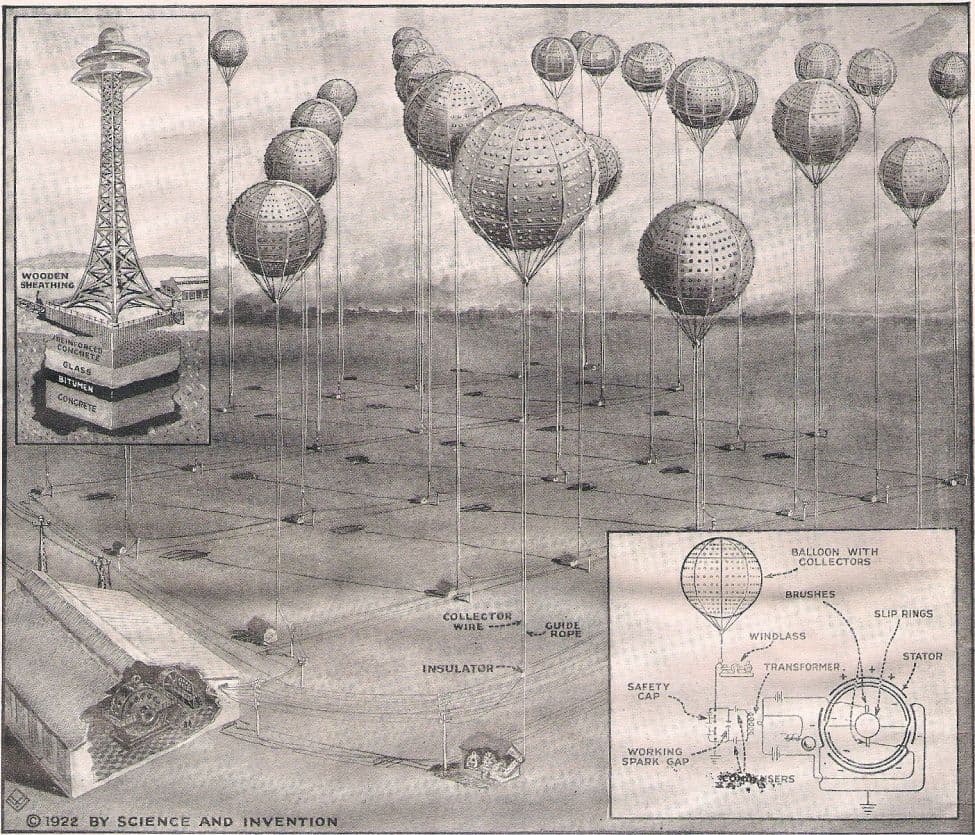
Early atmospheric electricity research

Nikola Tesla
Atmospheric energy enquiry
Discuss AEHS with Hexatra
Speak with Hexatra about AEHS development, intended applications, or how it might sit with a Multi-Energy Hub or remote site.