Atmospheric collection interface
Collector assemblies are designed to interact with atmospheric electrical potential and support controlled charge capture.
.png)
Atmospheric Energy Harvesting System
The Hexatra Atmospheric Energy Harvesting System is designed to explore atmospheric electrical potential as a clean auxiliary energy source for resilient sites, remote systems and future energy applications.

Product overview
The Atmospheric Energy Harvesting System represents Hexatra’s atmospheric energy innovation pathway. It is designed to support auxiliary clean power applications by combining atmospheric collection, controlled charge management, power conditioning and storage-ready design. The system is being developed for low-power resilience, monitoring and remote support applications where site conditions and system configuration are suitable.
System diagram
The AEHS concept combines atmospheric collection, charge management, power conditioning, storage readiness and monitoring into a controlled system architecture.
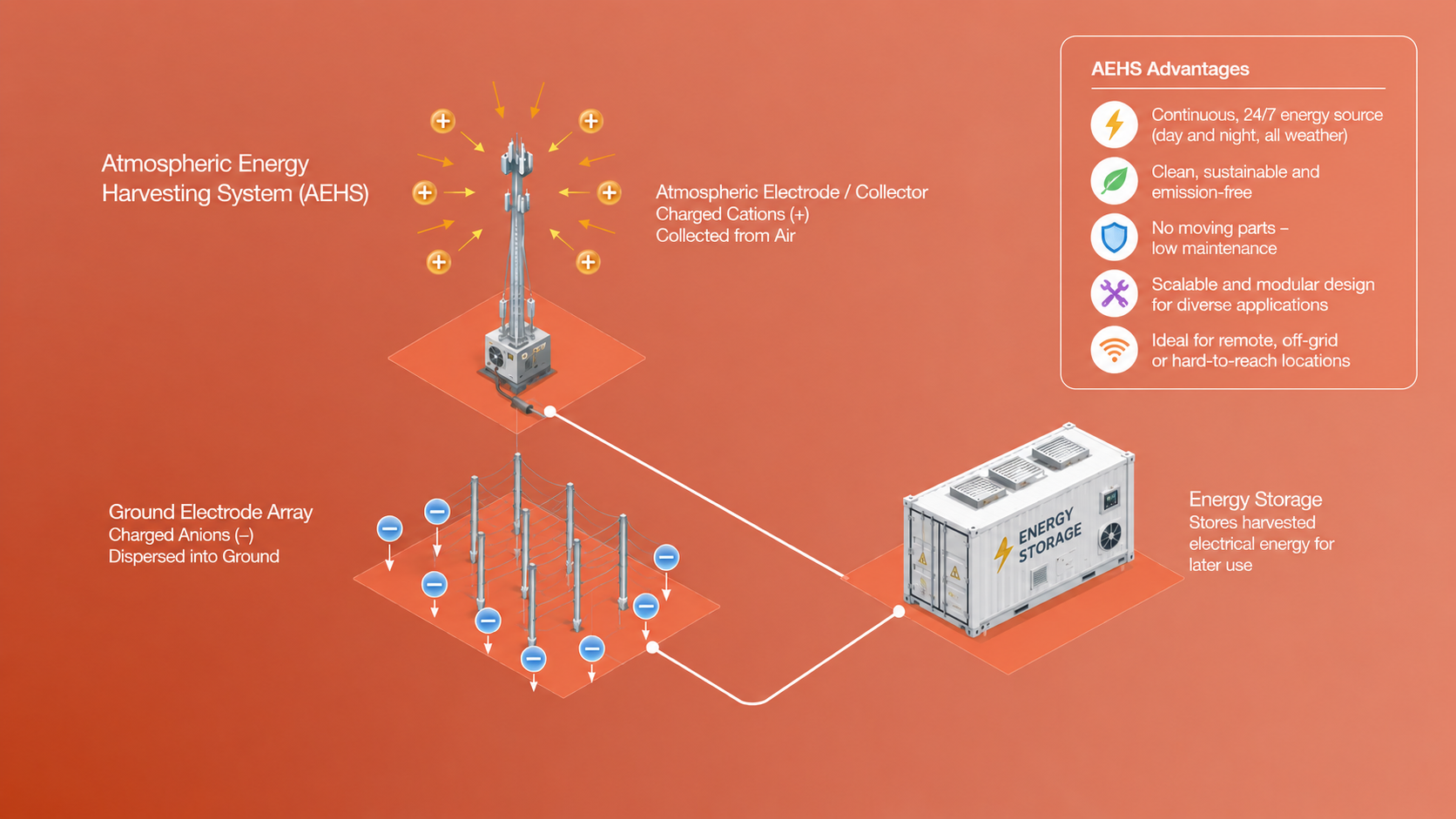
AEHS combines atmospheric collection, charge control, power conditioning and storage readiness within a monitored system architecture.
How it works
AEHS is designed around controlled collection, power conditioning, monitoring and safe operation.
Collector assemblies are designed to interact with atmospheric electrical potential and support controlled charge capture.
Ground reference infrastructure helps stabilise the system and supports controlled electrical pathways.
Control systems manage charge behaviour and support safe, predictable operation.
Power electronics condition captured electrical potential into a usable output profile.
Captured energy can be buffered or prepared for integration with suitable storage systems.
Monitoring, surge protection and controlled discharge pathways support safe and resilient deployment.
Performance
Performance is configuration-dependent and subject to site conditions, system design and validation.
100 kV to >300 kV atmospheric potential difference, subject to atmospheric conditions.
Up to 2.5 A cm⁻² target / configuration-dependent.
μW-scale per cm² target output, scalable through stacked or arrayed modules, subject to site conditions.
>300 Wh kg⁻¹ target depending on selected storage technology.
Continuous auxiliary power potential, with performance influenced by atmospheric conditions and system configuration.
Single collectors for low-power applications, with arrays explored for larger atmospheric energy system development.
Applications
AEHS is being developed around low-power support, monitoring, Multi-Energy Hub integration and resilience applications where technically appropriate.
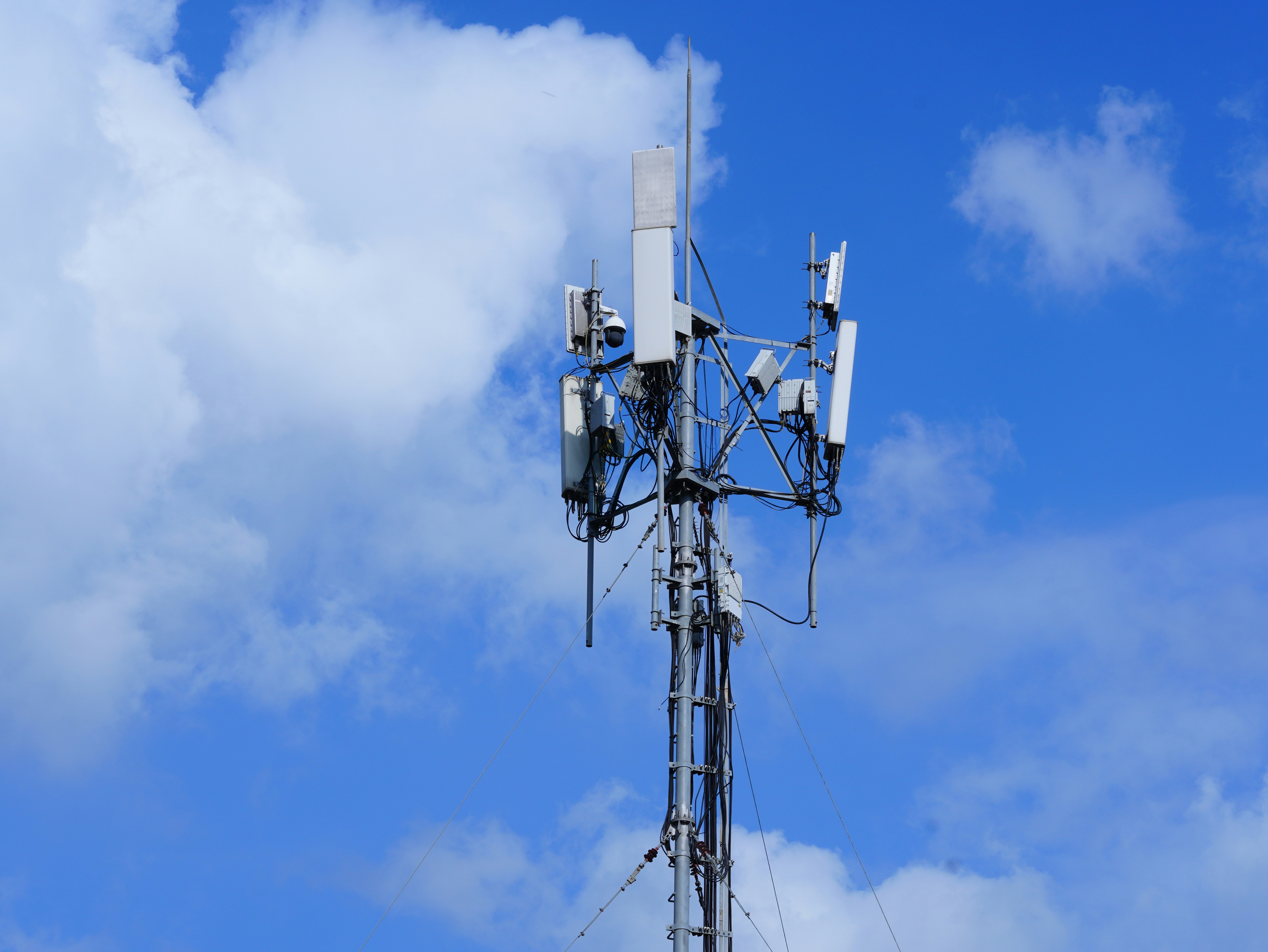
AEHS may support auxiliary power, monitoring and resilience applications for telecoms and critical communications sites, including opportunities to integrate with suitable existing towers, masts, rooftops or site infrastructure where technically appropriate.

Auxiliary power potential for sensors, remote equipment and monitoring systems where conventional supply may be limited.

Support for low-power sensing applications across environmental, atmospheric and infrastructure monitoring use cases.

Potential auxiliary energy support for connected infrastructure, field monitoring and remote smart-site systems.

Atmospheric auxiliary power may support resilient field systems, monitoring and communications where technically appropriate.
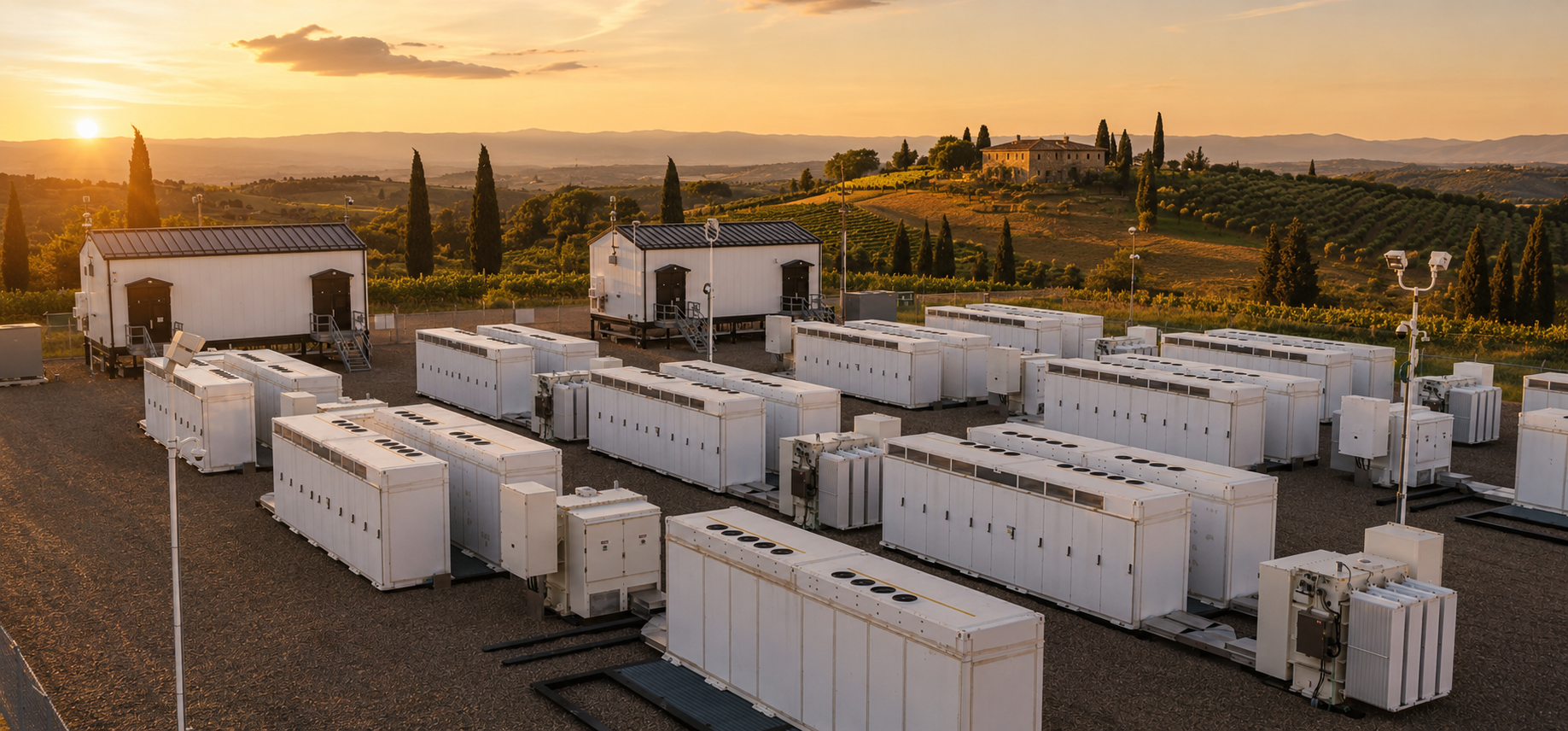
AEHS can be considered as an atmospheric auxiliary power pathway within Hexatra’s Multi-Energy Hub architecture, supporting monitoring, control and low-power resilience functions where suitable.
Explore MEHAdvantages
AEHS is focused on atmospheric auxiliary power potential, monitored operation and practical system integration.
Designed to explore ambient atmospheric energy as an auxiliary power pathway.
Supports development of low-emission atmospheric energy applications.
Collector arrangements can be explored around site and application requirements.
Designed with potential deployment around suitable towers, rooftops, masts or remote structures.
Captured energy can be prepared for buffering or suitable storage integration.
Developed as a clean auxiliary energy pathway for appropriate low-power applications.
Legacy and innovation
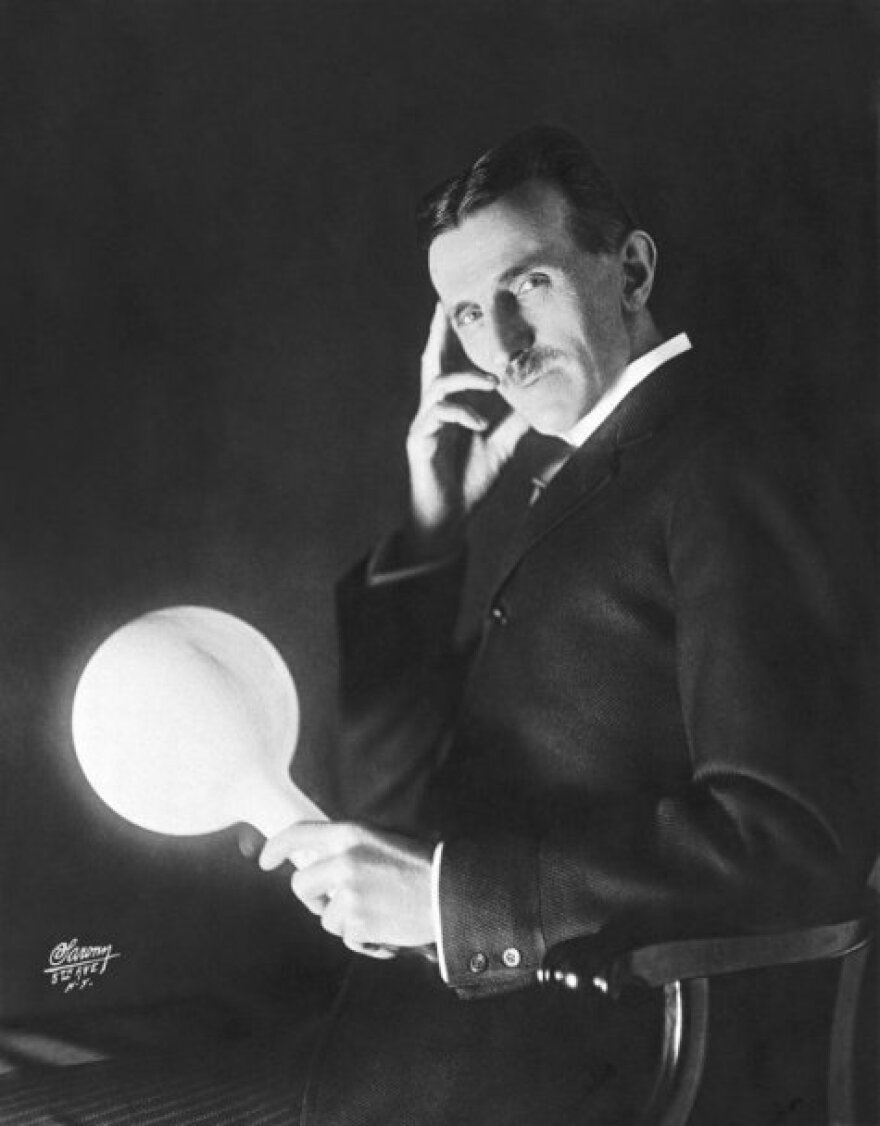
Atmospheric electricity has been explored for more than a century, from Nikola Tesla’s investigations into electrical energy transmission to Dr Hermann Plauson’s early atmospheric collection concepts and Oleg Jefimenko’s later experimental work on electrostatic energy. Hexatra’s approach builds on this long history with modern materials, control systems and power electronics.
Where earlier research explored the possibility of collecting electrical energy from the atmosphere, modern engineering allows the concept to be revisited with improved safety, monitoring, power conditioning and storage-ready system design.
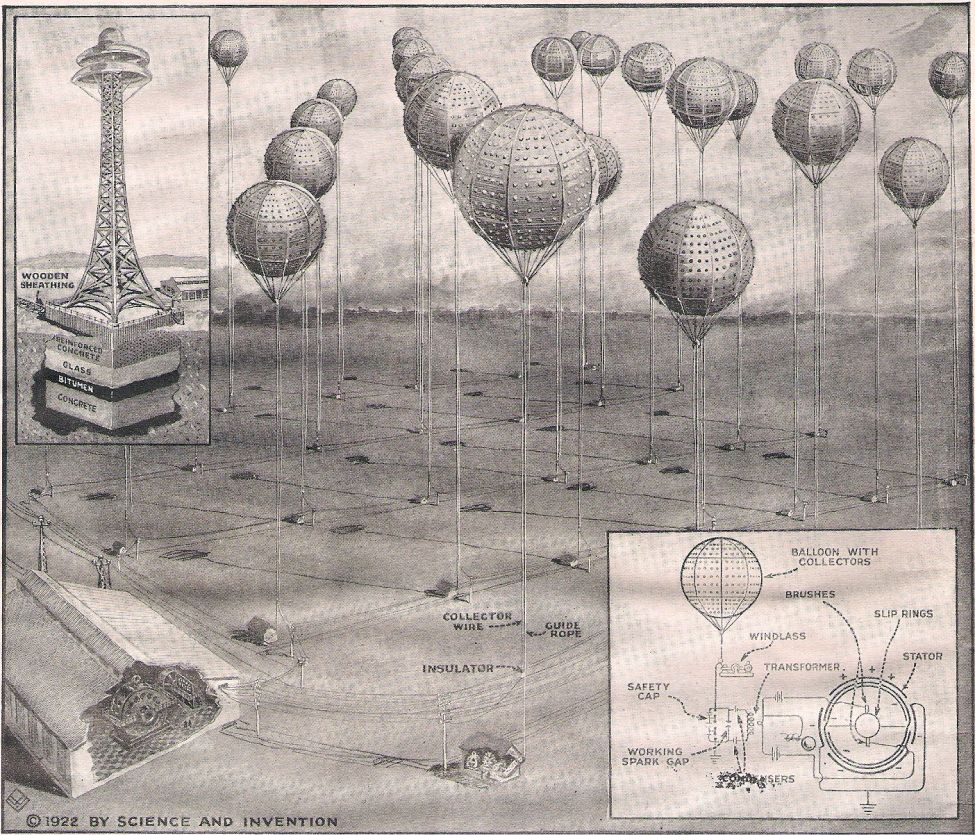
Atmospheric energy enquiry
Speak with Hexatra Technologies about AEHS development, site requirements, telecoms integration or future deployment opportunities.